A Mother/Daughter Journey to the Eastern Shore
This fall, my mother and I took a three-day “Harriet Tubman Pilgrimage” along Maryland’s Eastern Shore, through Talbot and Dorchester counties. We had plans to stop at the Harriet Tubman Underground Railroad State Park and Visitor Center and the nearby Blackwater National Wildlife Refuge. Beyond that, we didn’t have any sites set in stone. Some sites (like the Bucktown Store) were marked as permanently closed on their Google listing. Therefore, we weren’t sure what would be open.
My mom, the author Ruth Everhart, is very into pilgrimages. She’s written about her own pilgrimage to Israel & Palestine. So we channeled her wisdom for this journey: go to places rich with difficult history. Embrace the unknowns of the journey. Enjoy the company of your fellow pilgrims.
The Byway App
The online Harriet Tubman Byway map would have been a great place to start. We only discovered it thanks to a marker at the Harriet Tubman Memorial Garden. The map is online, so be sure to download it ahead of time!
I wish that app provided transcripts for the audio-only sections. However, the short, immersive segments would be perfect for kids or audiophiles.
We were grateful for the Visitor Center at Sailwinds Park in Cambridge, MD, an easy right turn as soon as you cross the Choptank River. We discovered many helpful resources here!
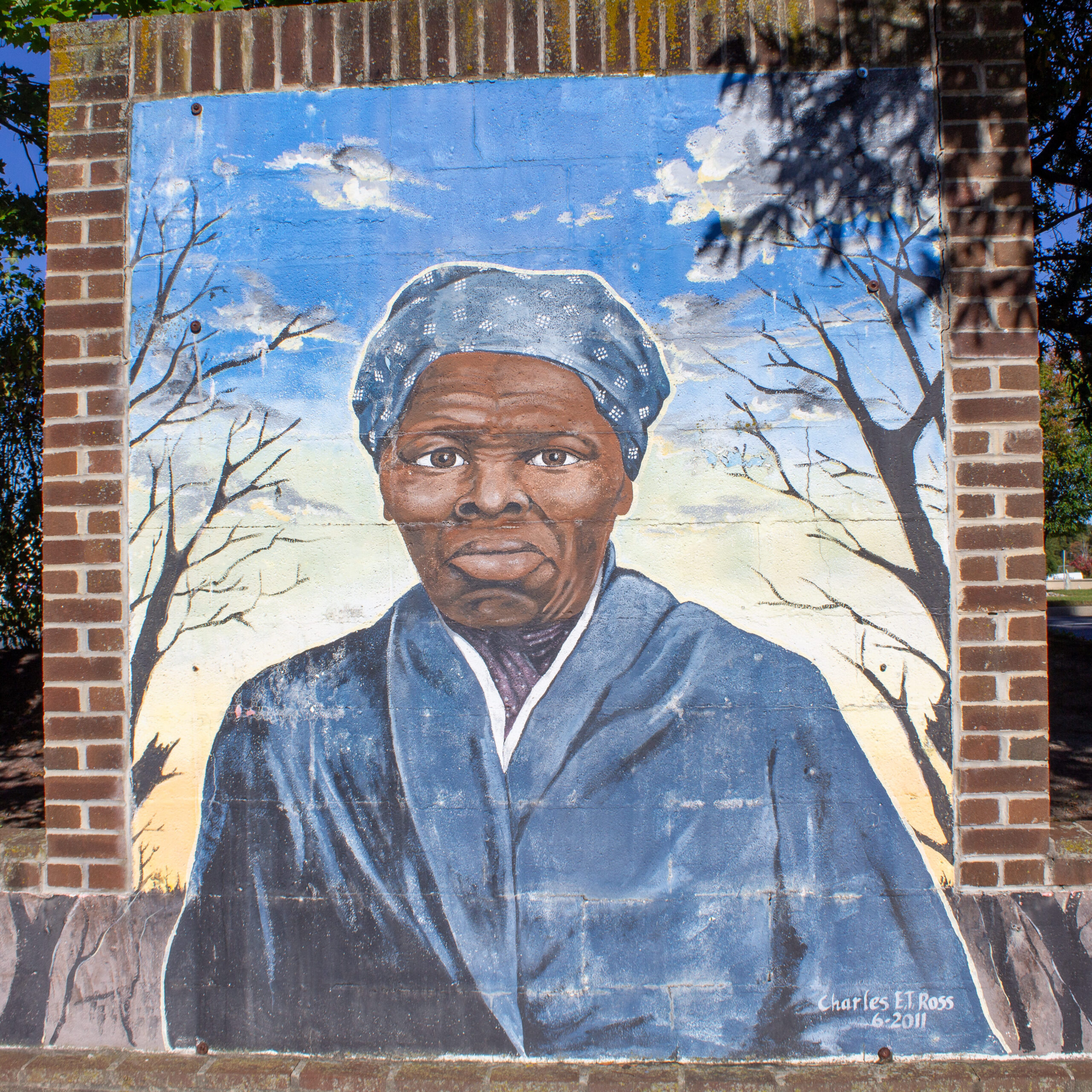
Public Art Tributes
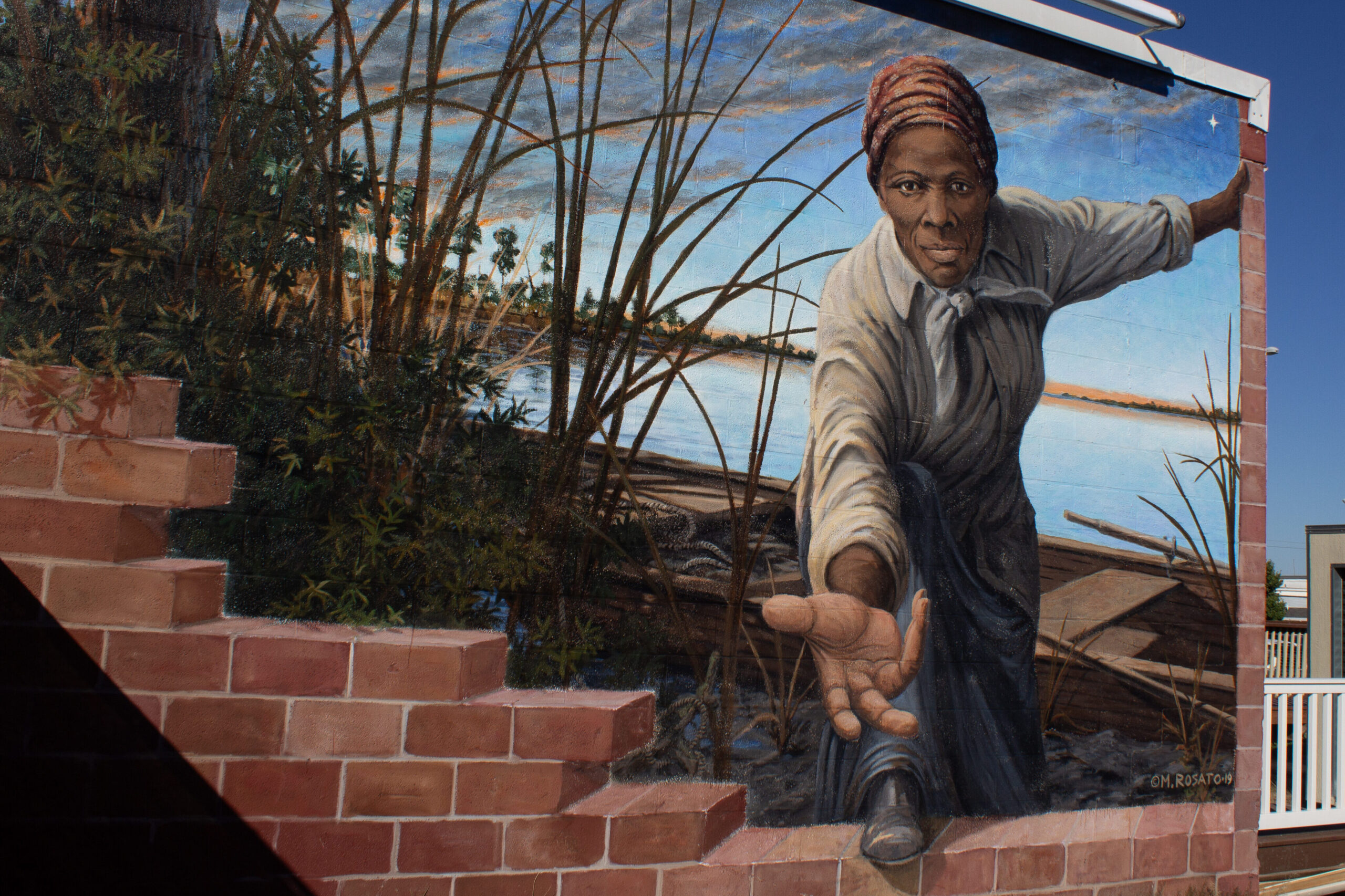
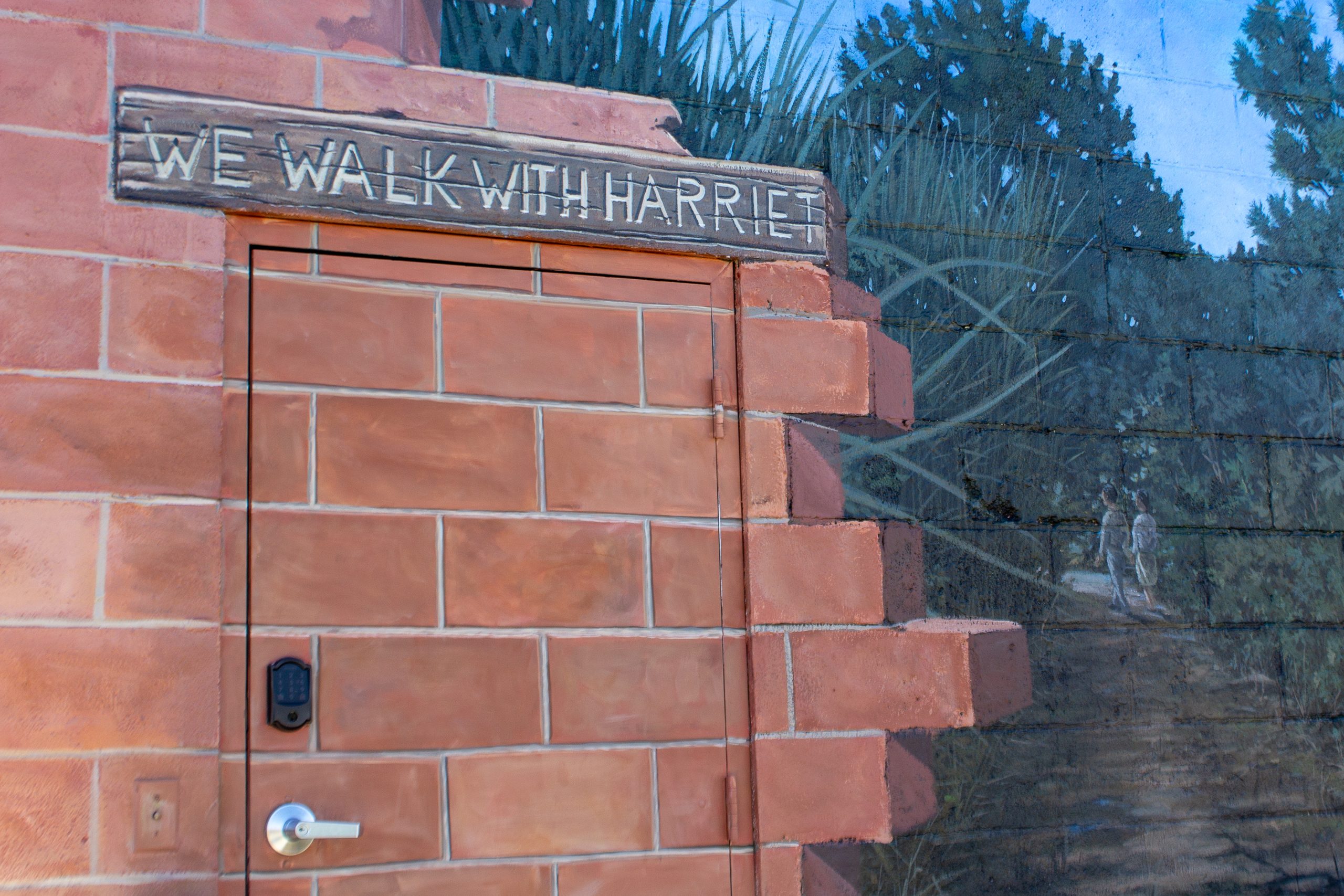
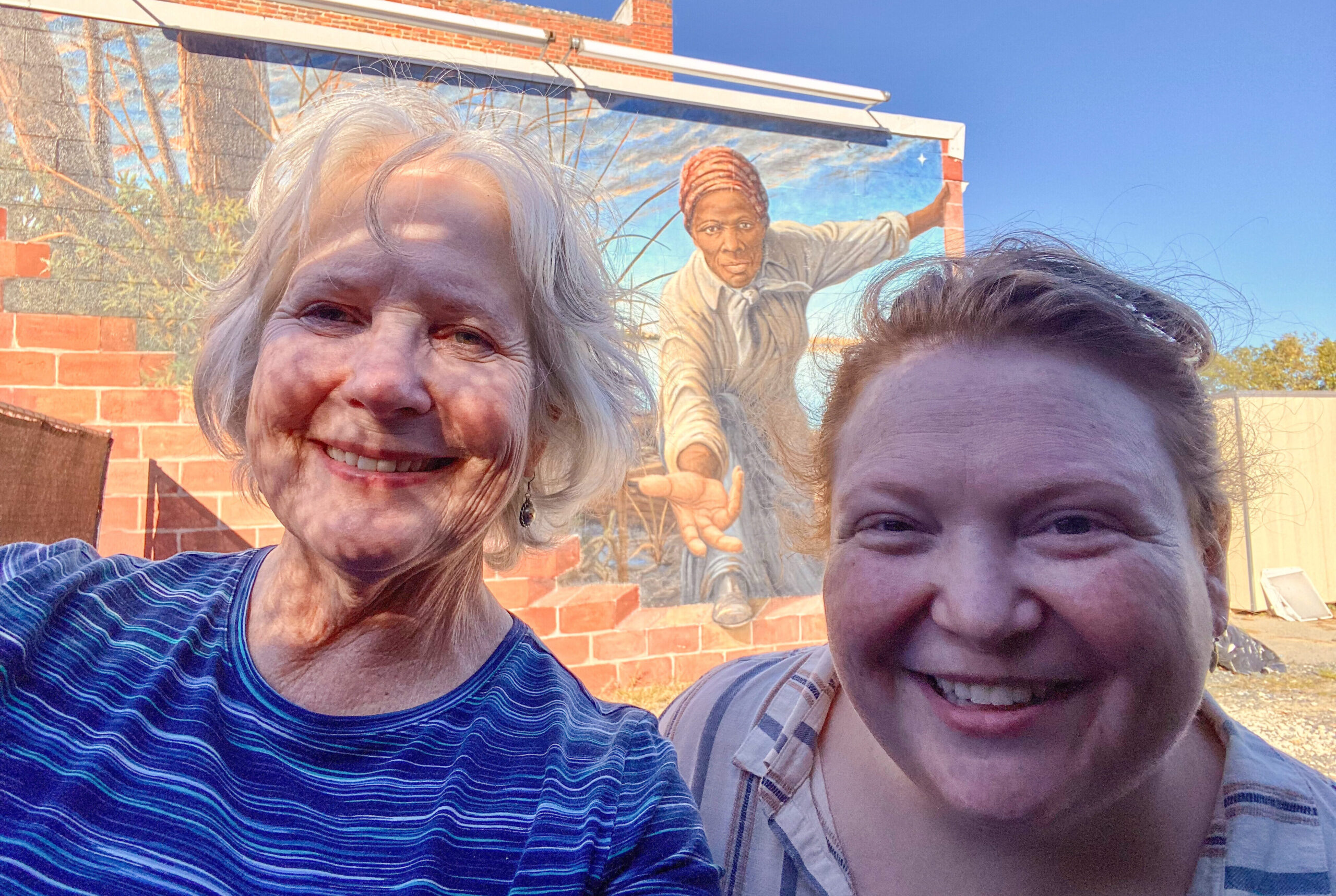
Like any pilgrim, we made an effort to take in the artwork celebrating Harriet. Our favorite was the “Take My Hand” mural in Cambridge, which shows a giant Harriet bending down from the hall with her hand outstretched. The mural adorns the outside of the Harriet Tubman Museum. Unfortunately, we couldn’t visit, as it’s only open Thursday through Saturday. (We were there on a Wednesday.)
Brodess Plantation
There’s no historic house to serve as Harriet’s birthplace. Unlike the legacies of gentry-class founding figures like George Washington, Thomas Jefferson, and George Mason, Harriet’s past has received little reverence or preservation. The closest to a birthplace is Brodess Plantation, where Harriet lived in childhood.
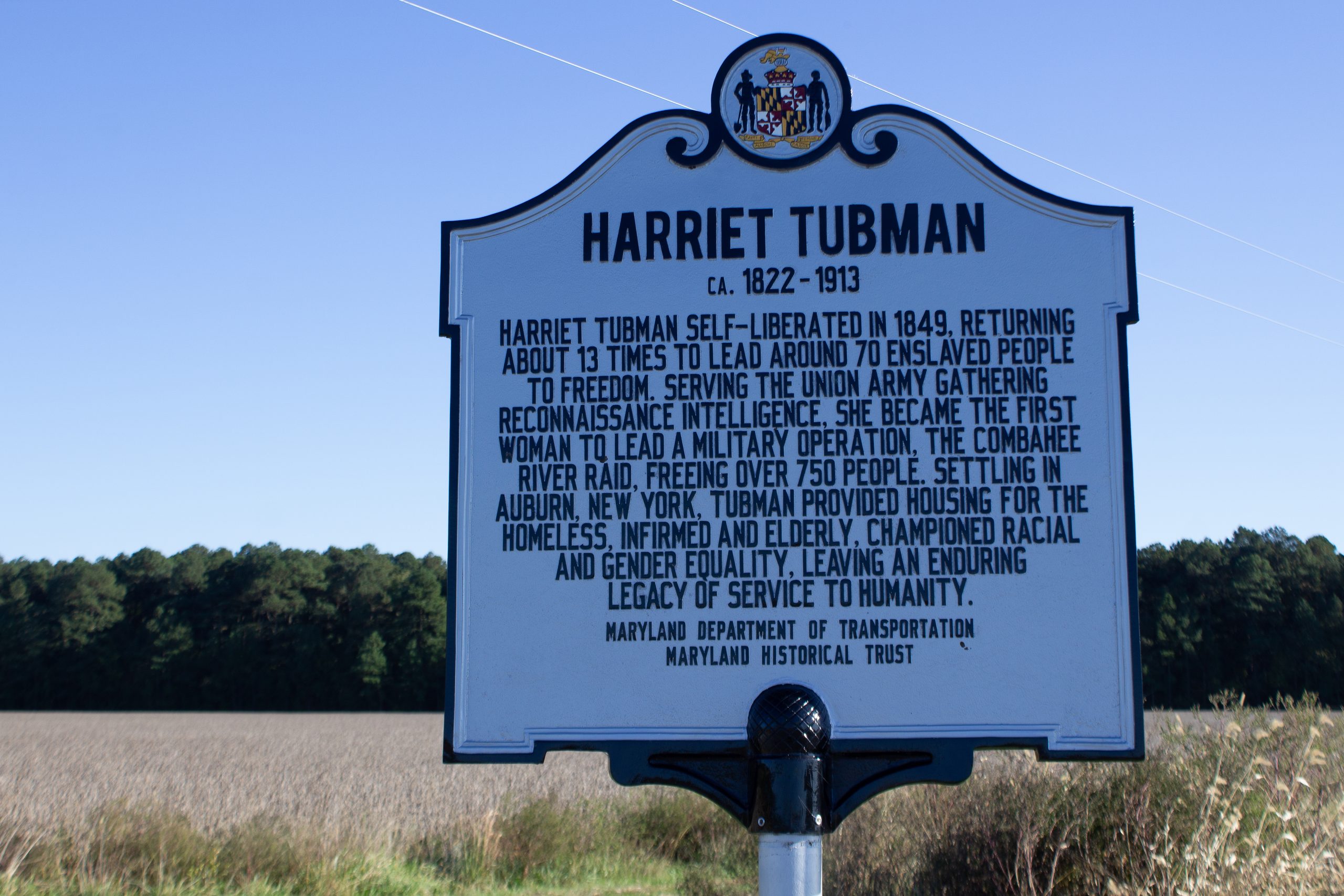
We stopped to gaze across the fields and to take in the fact that Harriet labored on this ground as a girl. The NPS educational panel and the historic marker gave us the rough outlines of Harriet’s early life, of experiencing “the comforts of family and the cruelties of slavery.“
Slavers commonly separated enslaved family units. This deliberate isolation marked Harriet’s (born Araminta, called Minty) early life. Edward Brodess, Harriet’s legal owner, separated her parents by moving her mother, Rit, and her siblings to the Brodess plantation. This left her father, Ben, at the Thompsons’ plantation a few miles away. Brodess hired Harriet out to nearby farms from the age of six.
Like most slaves, Minty always lived with the possibility of being sold. She witnessed the “agonized expressions” of two of her sisters and the “hopeless grief” of her parents when Linah and Soph were handed over to slave traders from the Deep South. She never saw them again. This was the harsh reality of being born into slavery.
NPS educational panel at Brodress Plantation Historic Marker
The Bucktown Store
The Brodess plantation is just a beat down the road from the Bucktown Store, where Harriet sustained the head injury that changed her life. Our October visit featured farm vehicles hurtling down the small country road in front of the store. They were laden heavily with harvest yields.
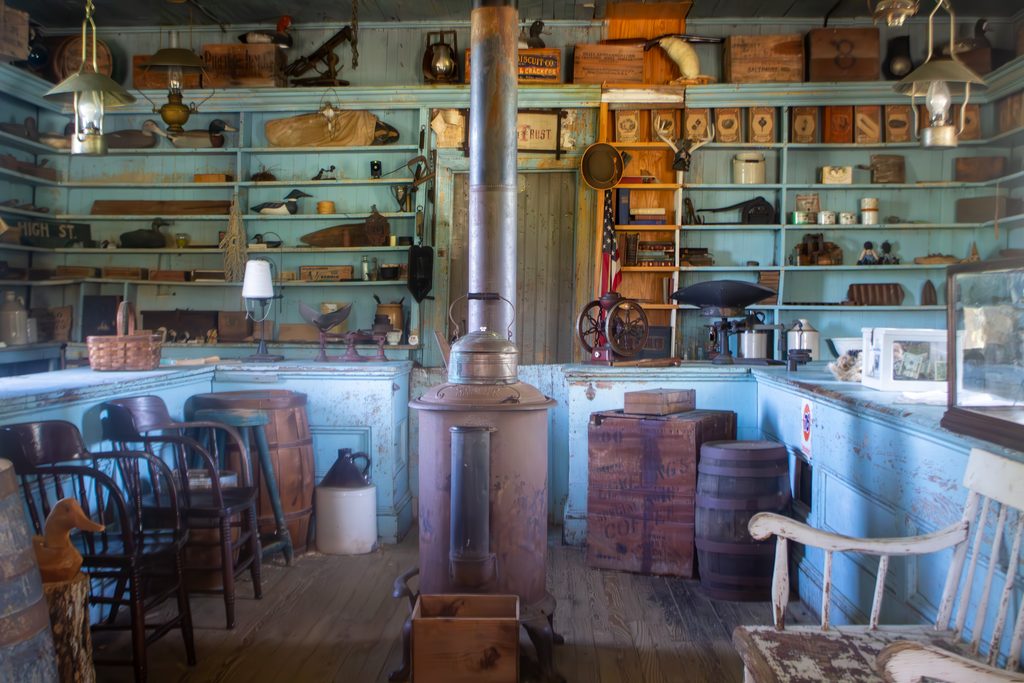
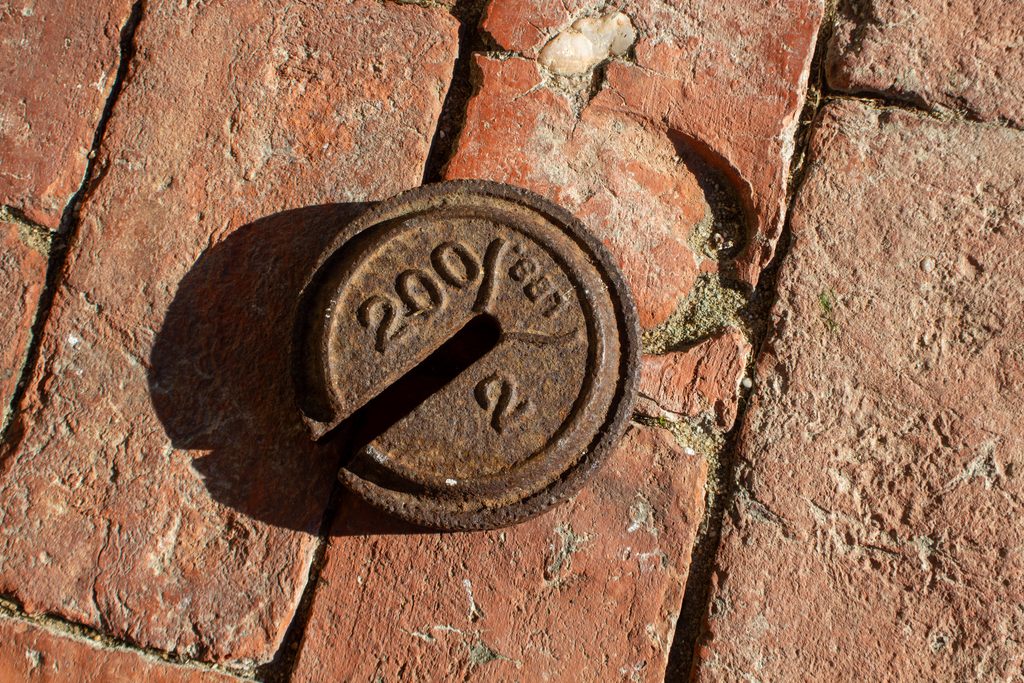
The Bucktown Village Foundation operates the store, and it’s open by appointment only. The staff at the Visitor Center at Sailwinds Park gave us a hot tip: look through the windows at the restored store interior. Outside, there is a heavy iron scale, complete with numbered weights, representing the weight thrown at Harriet that changed the course of Harriet’s life.
While in this store, a young adolescent Harriet witnessed an enslaved young man fleeing his overseer. He darted from his master’s control. In the turmoil, Harriet defied a direct order to help restrain the young man. It was her first known public resistance to slavery, and she paid a heavy price. In a rage, the overseer hurled a 2-pound weight at the enslaved young man. The missile struck Harriet in the head instead. The trauma affected her for the rest of her life. The resulting injury aroused a spiritual link with God. This conviction emboldened her to lead enslaved persons to freedom.
NPS educational panel at the Bucktown Store
Amplifying the Voices at Handsell
On Thursday, we visited the Harriet Tubman Underground Railroad State Park and Visitor Center, and other sights around Cambridge, and explored the marshy area that was key to Harriet’s self-liberation. That marsh has now been preserved as Blackwater National Wildlife Refuge. We spent the night in Ocean City.
On our way home on Friday, we detoured to visit a historic site called Historic Handsell. We had never heard of it, but we lucked into attending part of Day Two of the Amplifying the Voices Symposium at the Nanticoke Historic Preservation Alliance’s (NHPA) new Three Cultures Center at Historic Handsell.